
Best Ways to Promote Your Video Game Online: 9 Tools for a Second-Wind Campaign
There is a specific feeling that hits about six weeks after launch. The review score is fine. The Discord has 300 people in it who genuinely like the game. And the daily sales number has settled into a line so flat you could use it as a spirit level. Most developers respond by patching more features, which almost never fixes a marketing problem.
What does fix it is treating a relaunch like a launch: pick a beat six months out, build toward it, and spend on the right thing at the right moment. The nine picks below are ordered roughly along that timeline, from free storefront mechanics you should set up immediately, through creator outreach and trailer surgery, to the paid channels you switch on in the final week. Prices range from zero to five figures.
- Steamworks discount calendar and visibility rounds
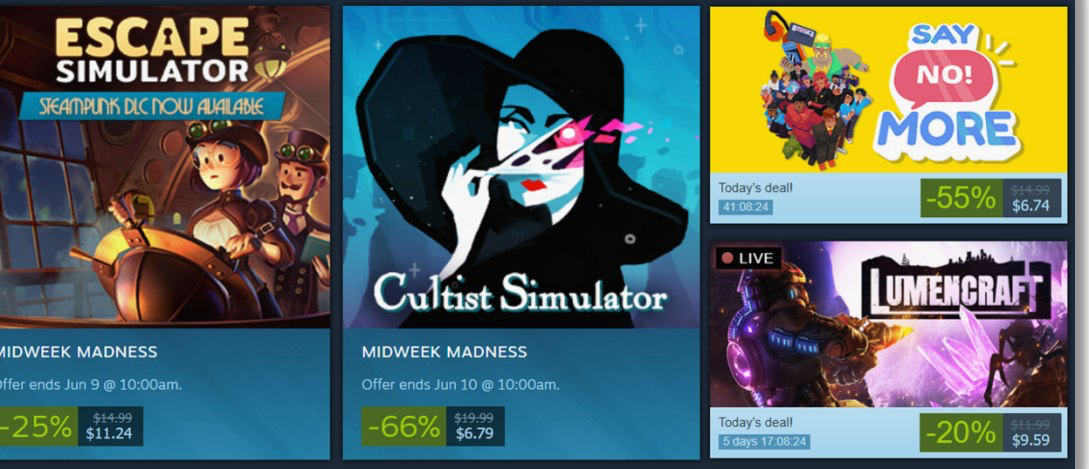
Before you spend a cent, exhaust what Valve gives you for free. Every Steam game gets a handful of visibility rounds, which push you onto the front page of people who have wishlisted or followed you. Most developers burn them carelessly on a 10% launch discount and then have nothing left for the Autumn Sale. You also need to be submitting discounts for every seasonal sale, and applying for Daily Deals once you have a sales history to argue with.
The equivalents on console matter just as much: Nintendo’s eShop sale submission windows and Sony’s promotion request forms both run on calendars that close weeks in advance. Set a recurring reminder. A well-timed 40% discount during a Steam seasonal sale routinely outperforms a month of paid advertising, and it costs nothing but margin.
Free (Valve takes standard revenue share)
- Keymailer
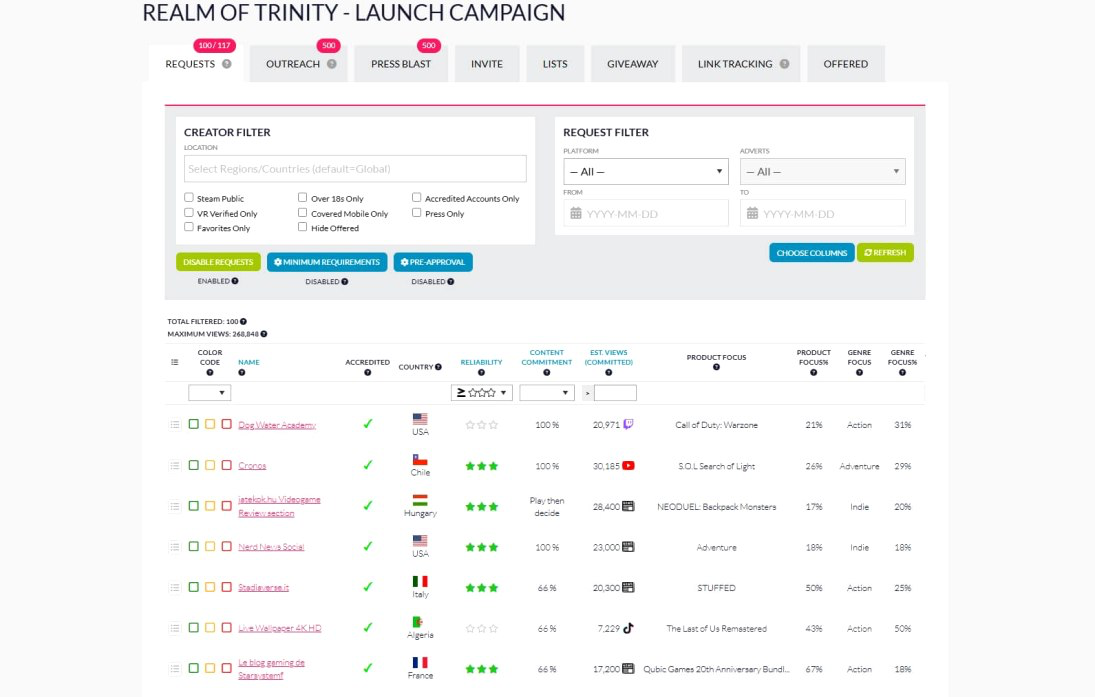
Keymailer sits between your key pool and roughly a million registered creators, and its main value is filtering. You can set minimum viewership thresholds, target by country and language, and see whether a requester has actually covered the games they took keys for previously. For a post-launch push, that filtering is the point: you are not trying to carpet-bomb, you are trying to find 40 mid-size YouTubers in Brazil and Germany who cover your subgenre and have never heard of you.
It works best when paired with a concrete hook — a big content update, a console port, a sale. Creators ignore “please cover my six-month-old game” and respond to “version 2.0 drops Tuesday”. Budget tiers unlock better targeting and campaign promotion; the free tier is genuinely usable if you are patient.
Free – $500+ per campaign
- Lurkit
Lurkit leans harder into the Twitch side than Keymailer does, and its campaign model is the differentiator: you can run paid or reward-based campaigns where creators commit to stream for an agreed duration, and you get attributed playtime and viewership data back rather than hoping someone tags you. For a game with flat sales, that attribution is what lets you work out whether streamer coverage is actually converting or just generating nice-looking VOD numbers.
It is strongest in Europe and for games with watchable moment-to-moment action — co-op, roguelikes, horror, anything with a reaction. If your game is a quiet puzzler, spend the money elsewhere. Pricing scales with campaign size, and mid-sized studios regularly run four-figure campaigns around an update.
Free tier – $2,000+ per campaign
- Fiverr and Upwork trailer editors
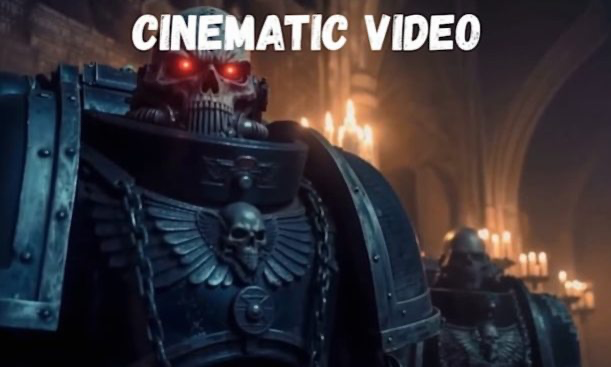
Your launch trailer is probably the reason the store page is not converting. Most first-time developers cut their own, and most of those trailers open with a logo, hold shots too long, and bury the hook ninety seconds in. Getting a fresh one cut by someone who edits game trailers for a living is the single highest-leverage few hundred dollars in this entire list.
On Upwork you want editors with a reel full of actual game trailers, not wedding videos. Expect to supply clean capture footage at 60fps and a written list of what makes the game interesting. On Fiverr the top-rated game trailer sellers cluster around the $150 to $600 band, which is cheap insurance when the alternative is paying for ads that point at a trailer nobody finishes watching.
$150 – $900
- A specialist game trailer studio
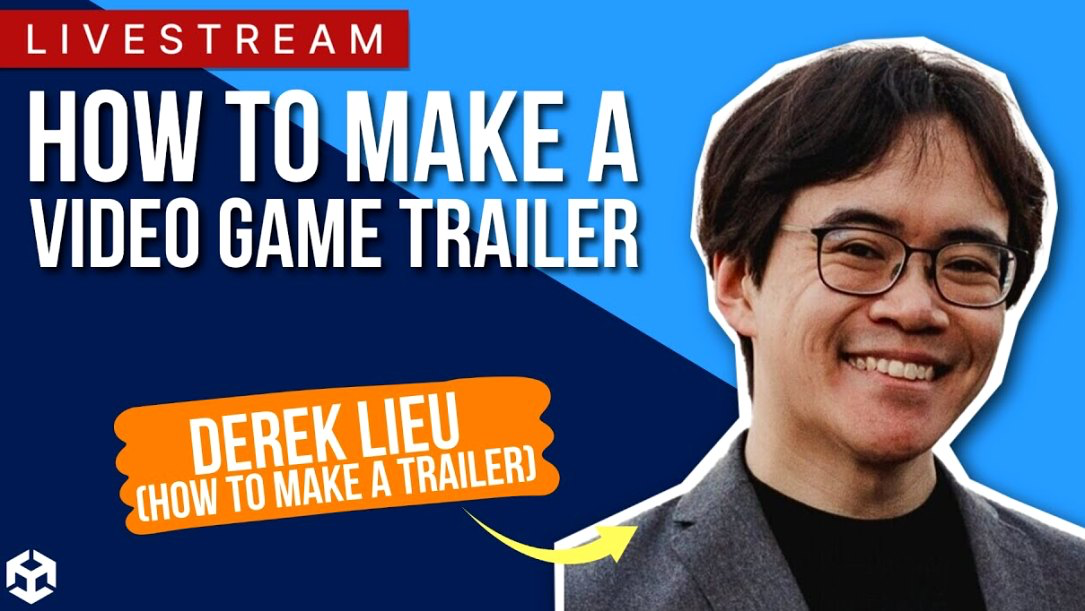
If the game deserves better than a freelance recut — a console port, a 2.0 relaunch, a publisher pitch — go to an editor who only does games. Derek Lieu is the best-known name in this space and has cut trailers for a long list of well-regarded indies; studios like Kert Gartner’s and M2H’s operation occupy similar ground. What you are buying is not just editing. It is someone telling you, bluntly, which thirty seconds of your game are worth showing a stranger.
Lead times run weeks, not days, which is exactly why this belongs in the six-months-out column. Book it early, deliver footage on schedule, and the trailer becomes the asset every other item on this list points at. Budget low four figures upward depending on scope and revisions.
$2,000 – $12,000
- An indie-focused PR agency
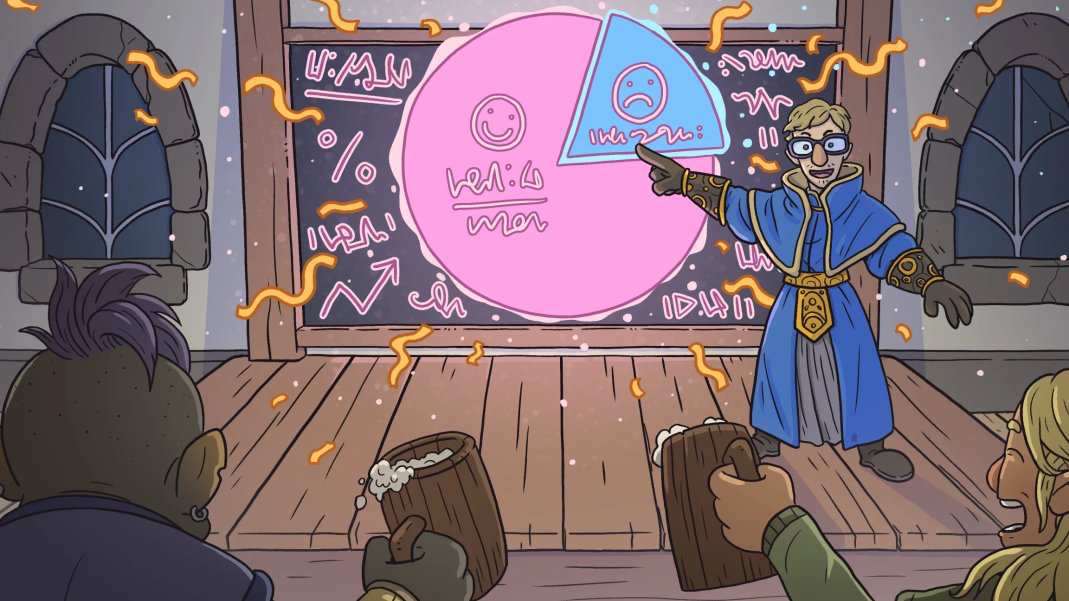
Agencies like Vicarious PR, Stride PR and Future Friends Games work almost exclusively with indies, which means their media lists are populated with the outlets and YouTubers who actually cover games your size. Retainers typically start around $2,000 to $4,000 a month with a two to three month minimum, because no agency can do anything useful in four weeks. They write the press release, run the embargo, chase the follow-ups and handle Steam Next Fest or showcase submissions.
Be honest about the brief. An agency cannot make a flat game interesting, but it can get a genuinely good game that nobody noticed in front of forty journalists on the same morning. If your budget is tight, several of these firms offer one-off launch packages rather than retainers — ask.
$2,000 – $6,000 per month
- Reddit Ads
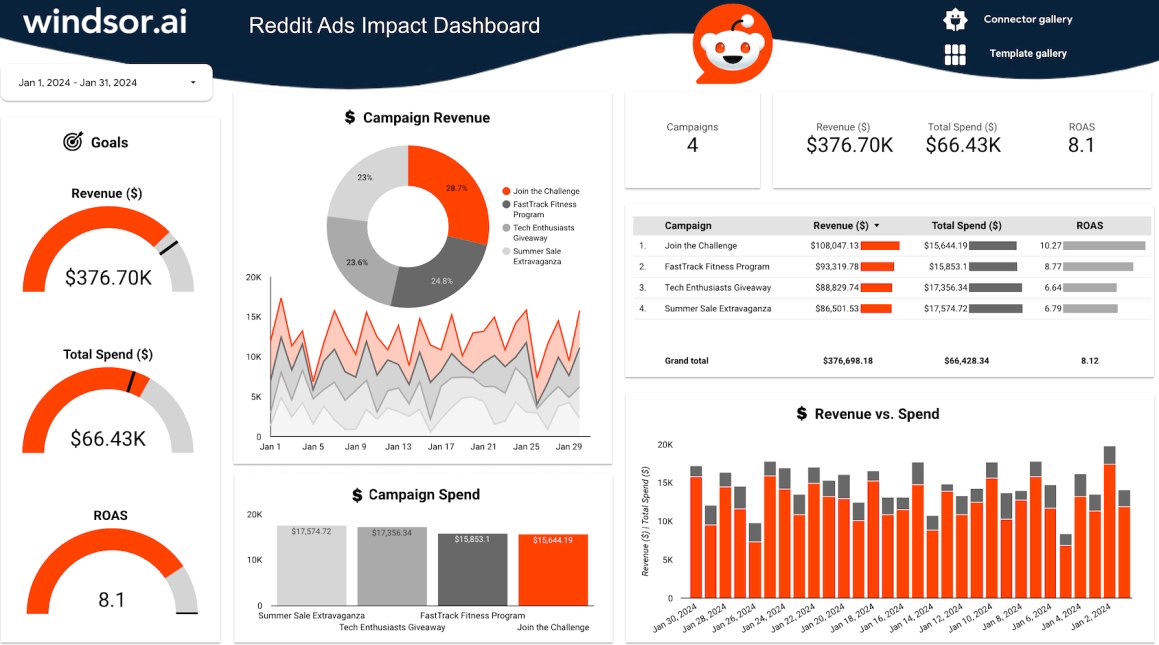
Reddit remains the most underpriced ad platform for PC games, mostly because the targeting is subreddit-level. You can put a fifteen-second clip in front of people reading r/roguelikes, r/CityBuilders or r/patientgamers for CPMs that would embarrass Meta. The catch is that Reddit punishes anything that looks like advertising, so the creative needs to be a raw gameplay GIF with a plain-spoken headline, not a polished sizzle reel.
Start at $20 to $30 a day across three or four tightly chosen subreddits, run it for a week, and watch wishlist additions in Steam’s traffic report rather than trusting the in-platform conversion numbers. It also doubles as cheap research: the subreddit that produces the best click-through is usually the community you should have been talking to organically all along.
$5 – $100+ per day
- Meta Ads Manager
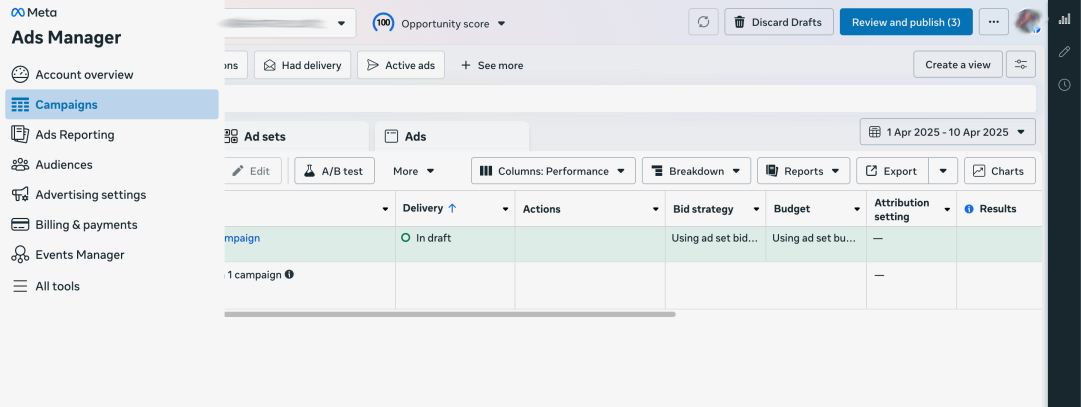
Meta is where you spend in launch week, not six months out, and the reason is retargeting. Install the Pixel on your site and feed in your wishlist and mailing-list audiences, then build lookalikes from them. Instagram Reels and Facebook video placements are cheap for vertical gameplay clips, and the algorithm genuinely does find buyers once it has a few hundred conversion events to learn from.
For mobile games this is close to mandatory; for PC and console it works best when you have something time-limited to say, like a 50% launch-week discount with a countdown. Set a hard daily cap, accept that the first three days are the platform burning your money while it learns, and kill any creative that has not beaten a 1% click-through by day four.
$10 – $500+ per day
- Apple Search Ads and Google App Campaigns
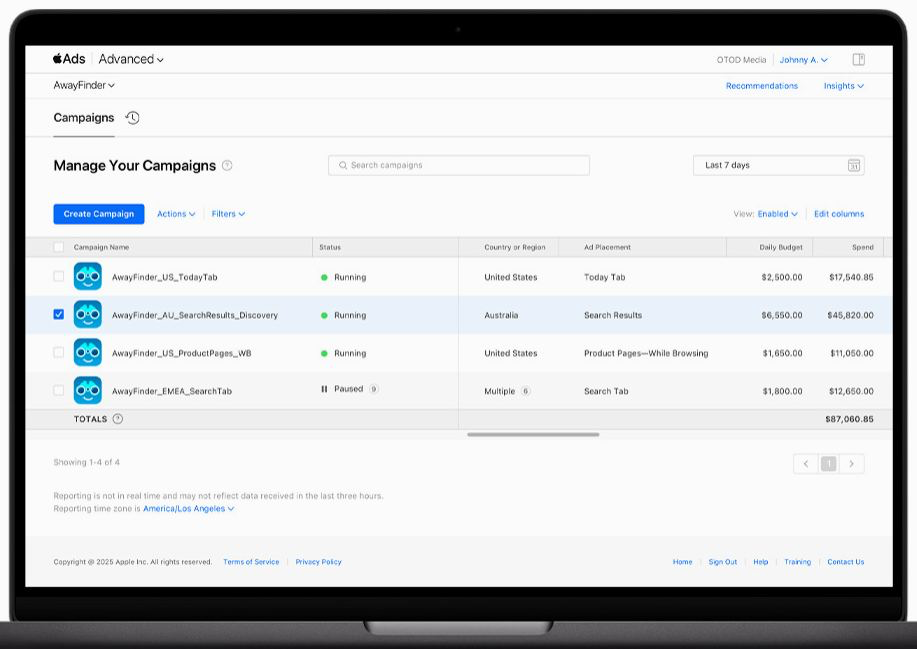
If any part of your game lives on iOS or Android, these two are the closest thing to a reliable tap you can turn. Apple Search Ads buys the top slot on App Store searches, including searches for your competitors’ names, and because intent is already high the install rates tend to be far better than anything on social. Google App Campaigns spread across Play, YouTube, Search and the display network automatically — you give it creatives and a target cost per install, and it does the allocation.
Neither is a discovery engine. They convert demand that already exists, which makes them the final step in a relaunch, switched on once your update is live and the creators have posted. Start with a $25 daily cap and a tight keyword list before letting Google’s automation loose.
$25 – $1,000+ per day
How to sequence this, and where to stop spending
Work backwards from a date. Pick a beat six months out — a major content update, a console port, a 2.0 version with a new name — because nothing in this list fixes a game that has nothing new to say. Months six through three are for the slow, bookable things: the trailer, the agency retainer, the store page rewrite. Month one is creator outreach, because keys need to be in hands two weeks before embargo. Launch week is when the paid channels switch on, pointing at a discount with an expiry date.
The spending order matters more than the total. A $400 trailer recut lifts the conversion rate of every other channel you pay for; $400 of Meta spend pointed at a bad store page just buys you clearer evidence that the store page is bad.
- Under $500 total: new trailer, free Keymailer tier, Steam seasonal discount, $20/day Reddit for one week.
- $500 to $3,000: add a paid Keymailer or Lurkit campaign plus a sharper store page capsule.
- $3,000 and up: a three-month PR retainer and a specialist trailer studio, with ads as the final layer.
- Measure everything in Steam’s traffic and wishlist reports, not in platform-reported conversions.
Flat sales are a visibility problem, not a verdict
Games get second winds all the time. Usually it happens because someone rebuilt the trailer, gave the game a reason to be talked about again, and then made sure three hundred people with audiences heard about it in the same 48 hours. None of that is luck, and none of it requires a publisher. It requires a date on a calendar and a willingness to spend on marketing rather than on more features nobody asked for.
If you only do two things from this list, recut the trailer and run a proper key campaign around a real update during a Steam seasonal sale. That combination costs under a thousand dollars and has resurrected more indie games than every ad platform here combined. Everything else is amplification on top of it.